


Waterfront -
Driving ocean change forward
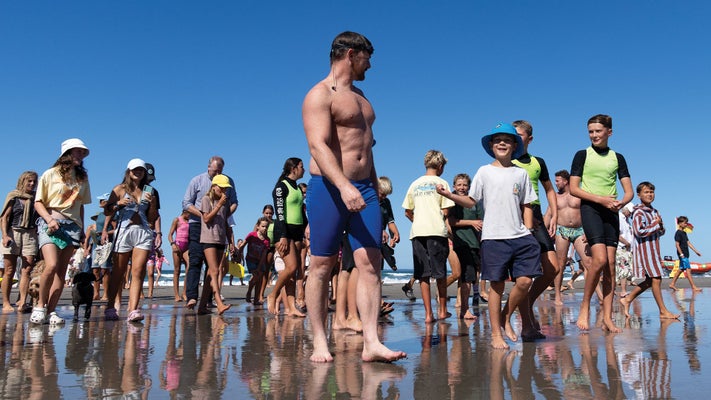
Photo credit: Joshua McCormack
Live Ocean has emerged as a driving force for meaningful, science-led ocean action.
Since launching in 2019, Live Ocean Foundation has become one of Aotearoa’s most influential voices for ocean health. Founded by New Zealand sailors Peter Burling and Blair Tuke, what began as a small, determined effort to champion the ocean has grown into a national movement powered by science, innovation, public engagement and a clear call for change.
Today, Live Ocean has directed $6 million into marine conservation projects through 21 partnerships, each selected for its ability to deliver measurable, meaningful impact.
Chief executive Rosalie Nelson says the organisation’s mission has always been simple and that’s to back good people, good science and good ideas that can materially shift the dial for ocean health.
“We support projects where we believe we can make a real difference,” she says. “Making ocean issues more visible and building public momentum for change is at the heart of what Live Ocean does.”
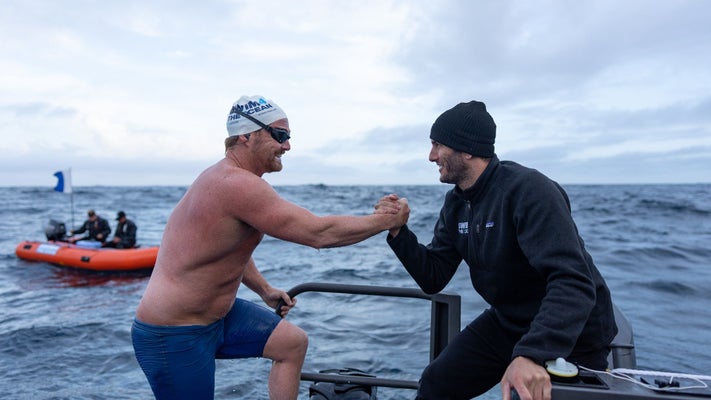
Photo credit: Joshua McCormack
Swim4TheOcean takes on bottom trawling
If one initiative has propelled ocean issues into the national spotlight, it is Swim4TheOcean, a collaboration between Live Ocean and endurance swimmer Jono Ridler. Wearing just togs, goggles and a swim cap, his unassisted 1,367-kilometre swim captured the country’s attention from the moment he entered the water.
Starting at Waikuku Beach at North Cape, Jono and his support crew headed down the rugged East Coast of the North Island, navigating exposed stretches of open water before rounding Mātakitaki a Kupe, the southernmost point of the North Island.
From there, Jono entered Cook Strait and pushed south toward Wellington, completing the mission after 90 days and more than 468 hours in the water. By the time he reached the capital, he had helped place bottom trawling firmly into the national conversation, with each stage of the journey attracting growing public interest and coastal towns turning out to welcome him ashore and share in the message of ocean protection.
The scale of the challenge underscored the purpose of the campaign says Nelson, demonstrating how an endurance feat by one person can shine a light on an issue and inspire a transition away from destructive fishing practices.
“Swim4TheOcean took an issue that usually happens out of sight and put it right in front of New Zealanders. Jono’s determination made people stop, look and care, and has shifted public sentiment significantly.
“The Live Ocean-led campaign gathered 73,647 petition signatures calling for an end to destructive bottom trawling, starting with vulnerable seamounts, which are underwater mountains that rise from the deep ocean floor and host fragile, slow-growing marine life that is easily destroyed by heavy fishing gear.”
The petition is now before Parliament’s Petitions Committee, with Live Ocean and Jono having made a supporting submission and requested an oral hearing.
“Legislative change ultimately requires political will, and public pressure is an important part of creating it,” Nelson says.
“Polling by Independent Horizon Research in April 2026 showed 47 percent of New Zealanders now identify bottom trawling as the greatest threat to the marine environment, up from 37 percent two years earlier, while 90 percent support limits on the practice which is a powerful mandate for change.
“In the meantime, political and fishing industry leaders are increasingly being asked how they will respond to the call, and we will keep the issue in the spotlight.”
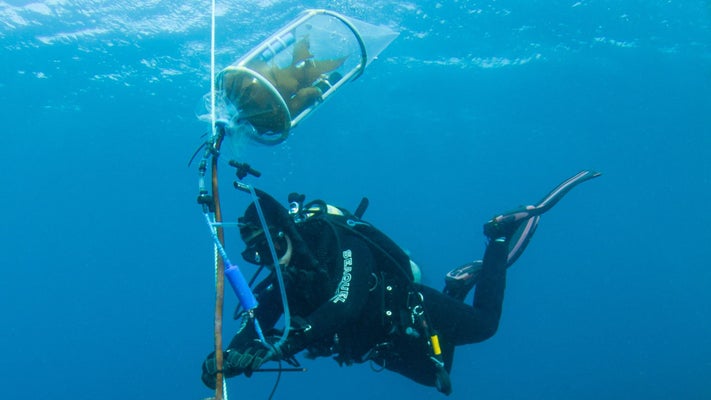
Photo credit: P E Caiger
Restoring New Zealand’s kelp forests
Healthy underwater kelp forests are among New Zealand’s most precious natural assets, supporting biodiversity, climate resilience and coastal communities, yet they are disappearing fast.
Live Ocean has partnered with University of Auckland researchers to deepen understanding of how kelp captures, stores and releases carbon, supporting Dr Caitlin Blain as she moves into the next phase of her pioneering work on the role kelp forests play in the coastal carbon cycle. The research is helping build a clearer picture of how these underwater forests function as natural climate regulators and why their restoration could deliver both ecological and economic benefits for New Zealand.
Nelson says the findings will be influential.
“This work will help provide the ecological evidence and economic rationale for kelp restoration as a climate mitigant, and the results will be important for shaping future climate action.”
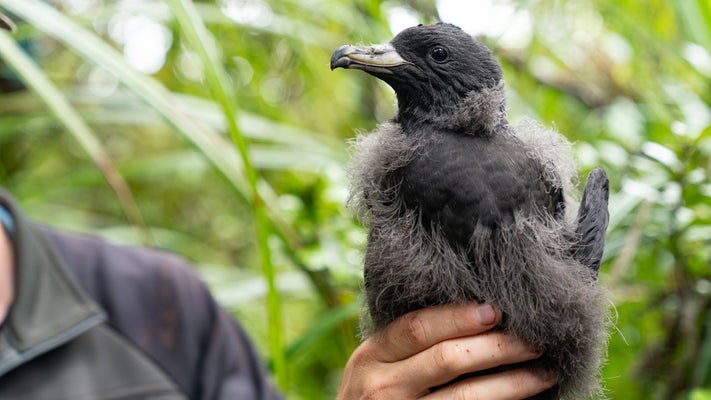
Photo credit: Joshua McCormack
Protecting New Zealand’s threatened seabirds
Above the water, another one of Live Ocean’s most significant achievements has been its work to protect endangered seabirds, particularly the Antipodean albatross and tākoketai black petrel. New Zealand is the seabird capital of the world, yet around 90 percent of our seabirds are threatened or at risk of extinction.
Live Ocean’s advocacy helped drive stronger mitigation measures in New Zealand’s tuna longline fleet, a change Nelson describes as a huge win for at-risk seabirds.
“For the majestic albatross, deaths dropped from 111 to three in the January to March period between 2024 and 2026,” she says. “For a species where every life counts, that is an extraordinary shift.”
The organisation has also backed the largest-ever satellite tracking study of tākoketai fledglings, revealing new information about their journeys across the Pacific and the threats they face.
“These birds are incredible voyagers, travelling up to 26,000km to South America at just three months old so understanding where they go and what they encounter is essential to protecting them,” says Nelson.
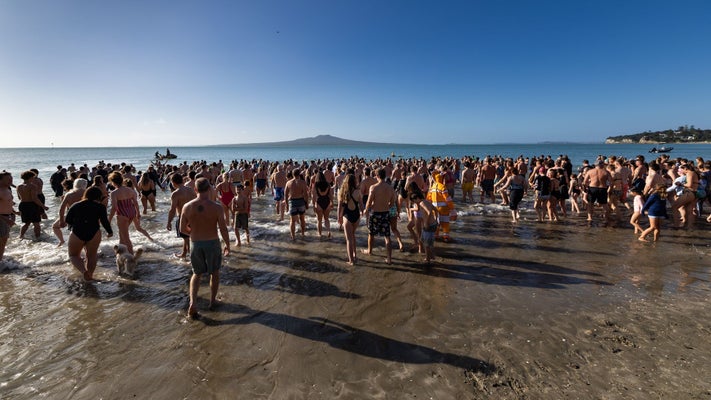
Photo credit: Brett Phibbs
Strengthening marine protection in New Zealand
Despite proactive moves around the country to bring more awareness to healthy marine environments, Nelson says when viewed internationally, our ocean stewardship is not where it needs to be.
“New Zealand has responsibility for one of the largest ocean spaces on the planet, yet less than one percent is fully protected to internationally recognised standards,” she says.
“International science points to the need to effectively protect at least 30 percent of the ocean, focusing on areas of high biodiversity and thriving ecosystems.
“New Zealand is also an outlier on bottom trawling, as we are the only nation still bottom trawling seamounts in the South Pacific high seas.
“Other countries are moving towards stronger protection of vulnerable marine ecosystems.”
Despite the challenges, Nelson remains optimistic, noting that New Zealand has led on ocean protection before and can do so again. She urges people to learn about the ocean, support good work, make better choices and add their voice when decisions about its future are being made.
“The opportunity now is to lift our performance, be ambitious and lead again, and everyone has a role to play. New Zealand has the science, knowledge and capability to be a world leader in ocean health.
“What we need is the ambition to protect the places that matter most and reduce the human impacts we know we can avoid.”
Looking back on the past year, Live Ocean is proud of the momentum building across its work.
“We are seeing steady effort translating into tangible outcomes, with a highlight being the passing of new protections in the Hauraki Gulf Tikapa Moana, lifting high-protection areas to around six percent after years of work by many individuals and organisations.
“It is the most significant improvement in decades and an important boost for an ecosystem in real trouble. “Good science, persistence and community support can lead to real change, and we have fresh energy for the work ahead and confidence that momentum is building in the right direction.”
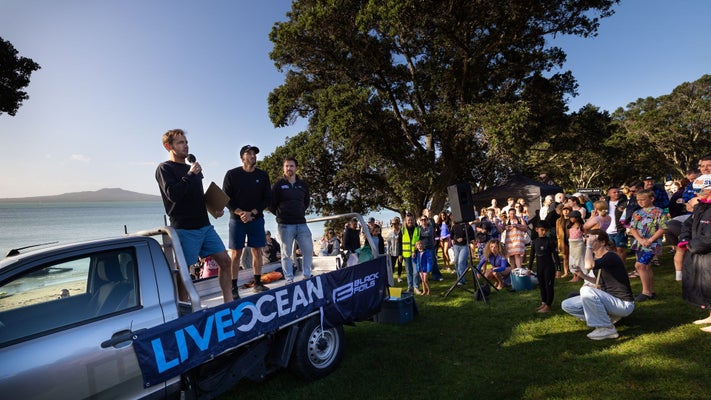
Photo credit: Brett Phibbs
Bayleys and Live Ocean making waves together
As a flagship partner of Live Ocean, the Bayleys Foundation supports the charity organisation financially and practically with Bayleys teams around the country embracing the message of ocean health. That commitment was on full display during the 2026 Live Ocean Winter Dip, where Bayleys team members joined Live Ocean and the Black Foils for an all-welcome dip at Auckland’s Takapuna Beach to mark World Ocean Day.
The event served as a reminder of the vital role our oceans play in sustaining life, supporting communities and protecting the environment, and Bayleys staff were there in force to help amplify that message.
Alongside taking the plunge, Bayleys volunteers kept spirits high onshore, handing out complimentary coffees and cheering on colleagues who braved the chilly water alongside hundreds of other participants. The morning brought together families, ocean advocates and local supporters, creating a fun, energising atmosphere that celebrated community spirit and collective action for ocean protection.
For Bayleys, it was a chance to stand shoulder-to-shoulder with Live Ocean, demonstrate genuine support for the cause, and show how business and community can work together to champion a healthier future for New Zealand’s marine environment.
Contact us


